
Joint Custody in Puerto Rico: How does it work and what does a judge evaluate?
Learn the legal principles governing joint custody and the realities of co-parenting plans in Puerto Rico.
Read Article →
Educational articles and resources prepared to guide you on your duties and rights under current laws in Puerto Rico.
Learn the legal principles governing joint custody and the realities of co-parenting plans in Puerto Rico.
Read Article →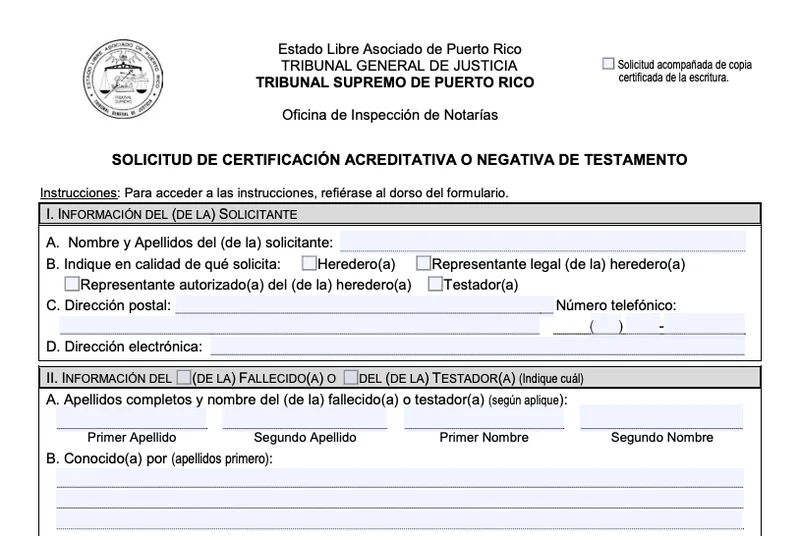
Understand the legal process required to determine legitimate heirs when a person passes away without a will in Puerto Rico.
Read Article →
Discover the legal protection that safeguards your primary residence against foreclosure and debt claims.
Read Article →
Clarify key doubts regarding the official guidelines for calculating child support for minors.
Read Article →
Learn how Act 121 protects the elderly population against abuse and financial exploitation.
Read Article →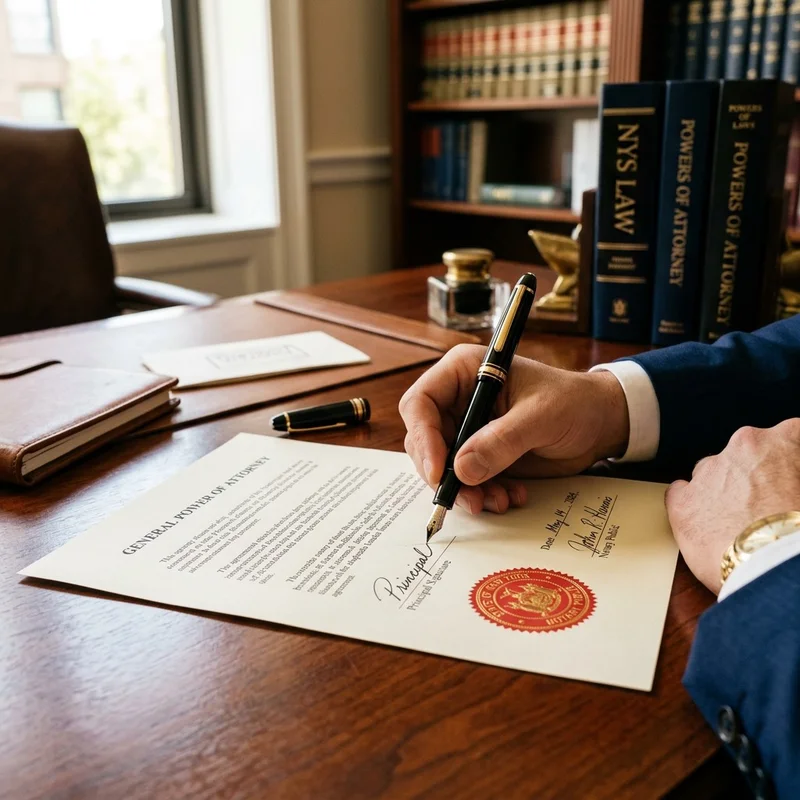
How to delegate crucial medical and financial actions before a physical or mental incapacity occurs.
Read Article →
Learn the benefits and requirements of the Young Entrepreneur Decree under Act 60-2019 to launch your business tax-free.
Read Article →
Joint custody is the preferred alternative in Puerto Rico for awarding custody of minors after a separation or divorce. Its fundamental purpose is to guarantee that both parents continue to exercise active roles in raising their children, ensuring their presence in the minors' daily lives.
In evaluating whether to order joint custody, the court places the "best interests of the child" as an absolute priority. The judge will analyze several key factors to make a fair determination, such as:
There is a common myth that joint custody requires an exact mathematical 50% split of time. The reality is that the court will design a flexible co-parenting plan adapted to the school, health, and social needs of the minor. The main goal is to ensure emotional consistency and a healthy relationship with both parents.
If you are in a custody or child support process and believe this scenario applies to your situation, it is essential that you evaluate it with an attorney. A well-structured resolution from the beginning can protect your economic rights and those of the minor in the long term.
The passing of a loved one brings, alongside family grief, the necessity to legally reorganize their assets. When a person dies without leaving a valid will (known in law as dying intestate), the law in Puerto Rico does not automatically assume who inherits for the purposes of transferring titles of property or bank accounts. This is where it is necessary to process a Declaration of Heirs.
The Declaration of Heirs is a legal process (which can be carried out through a formal petition before the General Court of Justice or through a Public Notary) where it is formally determined and certified who the legitimate successors of the deceased are, in accordance with the succession order established by the new Civil Code of Puerto Rico.
This process is indispensable to carry out patrimonial transactions of the deceased, such as:
Starting this process with timely legal and notary advice prevents future conflicts, saves procedural costs, and protects your family's assets.
Your primary residence is, possibly, your most valuable asset and your family's shelter. In Puerto Rico, there is an extremely powerful legal tool designed exclusively to protect this valuable asset against debt claims and judicial foreclosures: the Homestead Declaration Act (Acta de Hogar Seguro).
This protection is formalized through a Public Deed executed before a Public Notary, which is registered in the Property Registry. Once registered, the property is legally protected against foreclosures, executions, or debt collections by third parties, with very few legal exceptions, such as purchase mortgages, CRIM property taxes, or child support claims.
Any natural person who owns a home and uses it as their primary residence has the right to claim this protection. The process is very fast, accessible, and provides invaluable peace of mind knowing that your family's roof is protected by law against any financial setback.
The support of children is a priority legal and moral obligation for both parents. In Puerto Rico, determining and calculating child support generates multiple doubts and recurring myths among parents.
The calculation of child support is not performed arbitrarily; it is governed by the official Guidelines for Determining and Modifying Child Support (ASUME tables). These guidelines take into consideration:
This statement is false. The law in Puerto Rico establishes that every person is presumed to have a minimum capacity to generate income (based on the federal minimum wage), so a mandatory basic minimum child support will be set, regardless of voluntary or involuntary unemployment status.
The elderly population in Puerto Rico deserves a dignified, safe, and protected life. Act 121 (known as the Bill of Rights for the Older Adult) provides a robust legal framework to protect individuals aged 60 or older against situations of abuse, neglect, or financial exploitation.
Financial exploitation is one of the most common abuses. It occurs when family members, caregivers, or third parties unauthorizedly or manipulatively appropriate the funds, pensions, or assets of an older adult for their own benefit.
Act 121 empowers courts to issue protective orders swiftly, which may include:
Identifying the signs in time and seeking timely legal advice is crucial to safeguarding the physical, emotional, and financial integrity of our older loved ones.
No one is exempt from suffering a serious accident or a degenerative illness that prevents them from making decisions consciously. Planning for these types of situations in advance is an act of responsibility and love toward your family.
A Durable Power of Attorney is a legal instrument executed before a Public Notary through which a person (the principal) authorizes another of their complete trust (the agent) to manage their assets, handle bank accounts, and make key medical or financial decisions in case the principal becomes physically or mentally incapacitated in the future.
Unlike a conventional power of attorney (which is automatically extinguished when the principal loses legal capacity), a Durable Power of Attorney remains fully in force during the principal's incapacity.
Granting this document prevents your family from having to resort to a long, costly, and painful judicial process of tutelage to manage your accounts and care for your well-being in critical moments.
There is an incentive in Puerto Rico designed for young entrepreneurs — and most don't know it exists. It is called the Young Entrepreneur Decree and it is within Act 60-2019, the Puerto Rico Incentives Code.
If you are between 16 and 35 years old, live in Puerto Rico, and want to start a new business, the government can exempt you from paying income taxes during your first years of operation. It is not a loan. You do not have to return it. It is a real tax exemption, formalized through a decree which is a contract between you and the Government of Puerto Rico.
To be eligible for the Young Entrepreneur Decree, the applicant and their business must meet the following initial requirements:
"A tax decree is a contract between you and the Government of Puerto Rico. Once granted, the State cannot change it unilaterally."
The decree offers highly attractive incentives to cushion the operating costs of new businesses during their critical launch stages:
The decree applies to the first $500,000 of net income or the first three years of operation, whichever comes first. If your business generates more than $500,000 in that period, the exemption applies only up to that limit — which is still a considerable benefit.
The law does not limit the type of industry. It applies to retail, professional services, technology, art, health, consulting, construction — practically any new business operated by young residents of Puerto Rico. The key is that it must be a new enterprise, not a reorganization of something that already existed.
A well-known example: artist Bad Bunny obtained his Young Entrepreneur decree when he was just starting his career, allowing him to reinvest in his operations without tax burdens in his initial years.
The application is filed through the official portal of the Department of Economic Development and Commerce (DDEC). You must include the sworn application, tax filing certifications from the Treasury Department, debt certifications, and corporate entity documents. The process requires everything to be in order before submitting.
Most importantly: seek legal advice before filing. A poorly structured decree — or a business that does not meet the requirements from the start — can end up costing more than the benefit you are trying to obtain. Correct planning from the beginning makes all the difference.
We guide you through the process of applying for the Young Entrepreneur Decree.
Schedule Consult